
The Upsides of Ongoing Therapeutic Sessions
After several months, I noticed that Rick’s balance was getting worse, and his speech was getting more garbled. He would try to compensate by using his non affected hand and limiting conversation. He had become comfortable with the status quo. My gut told me there was more that could be done and did some research that I want to share with you. Bottom line --- Don’t give up!!!!

When can a Stroke Survivor drive?
When it came to driving, Rick was a “rebellious teen”. The return to driving is a big step that not only affects your loved one and you, but also everyone sharing the road. He felt that he had been driving for years and now this vital part of his independence was gone. The location of the stroke and the subsequent recovery is a determining factor on their ability to drive again. This may be an ongoing argument, and you need to remain strong.
During inpatient therapy and for about six months after, Rick understood he was not healthy enough to drive. The impairment of his reflexes, decision making, coordination and memory was acute. With each improvement, we had hoped that he would be back to 100 percent. Unfortunately, he was not, and adaptations had to be made. He was determined to drive as soon as possible. He thought he was ready long before I felt he was. Stand firm when you hear:

Stages of Caregiving: What to expect.
The caregiver is the sole survivor of the stroke and needs to take on both roles in the relationship. Most are familiar with the stages of grief identified by Kubler-Ross, denial, anger, bargaining, depression, and acceptance. The grief felt is the loss of your planned future and your loved ones’ abilities. Each phase is challenging, but part of the road to recovery.
The stages I experienced as caregiver were confusion, fear/anger, loneliness, depression, and realization. During the initial weeks in the hospital, I felt confusion and fear based on that day’s challenges or triumphs. In time, I realized that the goal is to identify where you are and to embrace that stage.
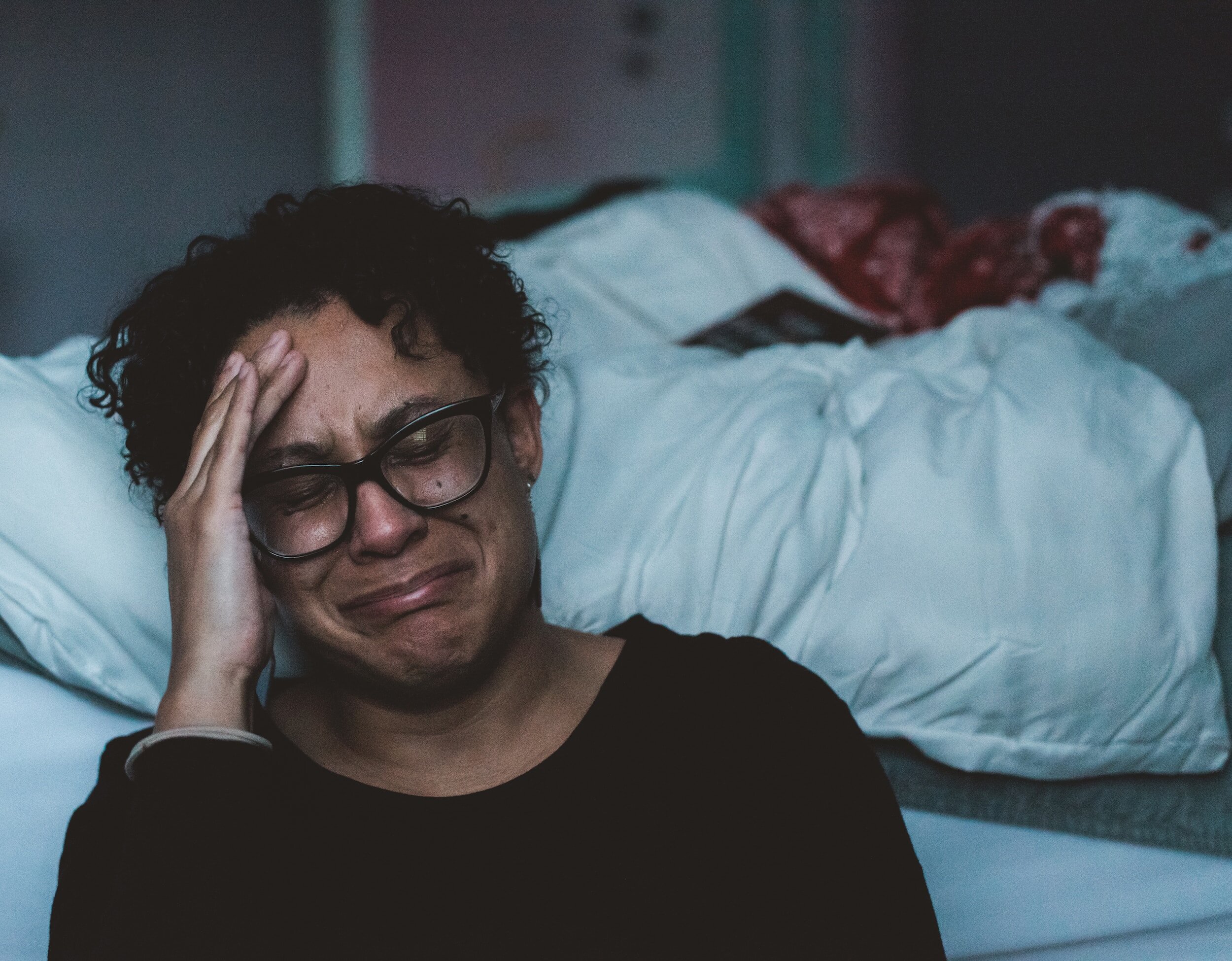
Emotional Grief and Exhaustion
The past few months, I have been visiting caregivers at the hospital. Their loved one had a stroke within that week. They are trying to navigate this new life, exhausted and fearful.
I have been in your position and know the fear. Your loved one is different, and your relationship will change. Like you, I am grateful that my husband survived but that doesn’t stop the pain of losing the essence of someone you love. You can’t move forward and try as you might, you can’t move back.
The old ways of communicating with your loved one no longer work. Trust me, I tried this past week, knowing ahead of time that he could not fully participate but hoping that this time I could get thru and bring him back. He listens and shared he would try harder to connect and care but it is no longer something that he can do post stroke. We both cried knowing the truth.

Dealing with all the “What If’s”
On Monday, I made my usual visits to families of recent Stroke Patients. It still amazes me the number of individuals that experienced a stroke daily. Just to give you an idea, I visited with 30 family members and patients this week. As I walked the halls and listened to their concerns, it brought back all those feelings and fears I had in our first few days and weeks. These families are still in shock but have the same concern we all had – What If…
Once I passed through the confusion phase and had some idea what I was dealing with, my nursing background and the world of “what ifs’” entered the picture. I still didn’t know where we would be in a year poststroke, but I knew enough that it would not be a straightforward journey for either of us. I outlined some fears that I

Doing it all for the Stroke Survivor is Exhausting
We just returned from visiting family over the holidays and although we had a great time and Rick did well, the reality is that as the spouse and caregiver, we need to do so much more than pre stroke. The planning, the packing, the lugging of bags, making sure activities are safe, allowing for down time, and looking the other way or being open to their attempts to recapture what they used to be able to do.
One of the caregivers that I recently spoke with shared “Some days, I feel like all I do is FETCH, CARRY, and DO.” I believe that is a normal emotion and it is not wrong to feel that way. The key is how do we handle the stress and change without becoming bitter or angry or start to blame ourselves or our loved ones for what has occurred.
During this last trip, I had an “AHA” moment. Prior to leaving for the airport, I had asked Rick to be responsible for his carryon bag, I had enough to think about. As we pulled up to the airport, we realized that he had left it on the kitchen table. My first instinct was to blame me for not taking care of this, but I stopped. It was not my fault, and the world did not stop spinning due to this. Was it an inconvenience – yes- but overall was easily resolved. My son brought the bag on his flight.
What did I learn…

Food Challenges for the Stroke Survivor
Thanksgiving is not only about gratitude but a holiday that centers around food. But what if you have a loved one with food and diet challenges, how do you navigate not only Thanksgiving but also daily meal preparation. In our home, the challenge is that ‘nothing tastes the way that it uses to or just tastes bad” So how do we navigate this issue, this week, let’s explore some of the most common food and diet issues that you may encounter and what others have tried and has worked for them.
Common food challenges post stroke for the survivor.
1. Eating difficulties such as unable to swallow or inability to feed themselves.
2. Diet changes that need to be made but difficult to institute
3. Loss of appetite, no energy or desire to eat
The above list is common concerns that have been either experienced by me or shared with me. Each situation is different and the issues you encounter may be different. On my Facebook page “Stroke and the Spouse Caregiver”, many of the members share challenges and solutions that have helped. Put your concern on the site and you will be pleased with the support provided.

What is life after stroke really like for the caregiver?
Life after a stroke is different than what we plan. The dreams of pre-stroke need to reimagine for both the stroke survivor and the caregiver. Visiting recent stroke patients and their families, one some of the primary questions are “How is life for you and your spouse post stroke? What is your relationship like? How did you adjust to the new roles? How do you stay upbeat and positive for the stroke survivor? Am I always going to be a burden? and will it get better?
“Behind every chronic illness is just a person trying to find their way in the world. We want to find love and be loved and be happy just like you. We want to be successful and do something that matters. We’re just dealing with unwanted limitations in our hero’s journey.” – Glenn Schweitzer
This week, I would like to share some thoughts on each of the above questions. This is what helped me and what I share with stroke survivors and caregivers. You will find your way, but it helps to see how others handled the change.

Who cares for the Caregiver?
When my husband had a stroke and I became his care partner, I was not really prepared that this role would be my new normal forever. Being a caregiver to a loved one is not an obligation or a burden because you love this individual. But that doesn’t mean that this doesn’t feel difficult, thankless or a lonely job. After time, the care partner and the stroke survivor begin to have a rhythm to their day along with good days and bad days. The new normal is focused on the needs of the Stroke Survivor and not the caregiver. This leads me to the question: Who cares for the caregiver when he/she is overwhelmed, tired, needs emotional support or just a day that was just like a pre-stroke day?

Step Away and take time for YOU!
This past month, I stepped away for me and my husband. I could tell that I was tired and had started to be more passive-aggressive in my caregiving. It was hard for me to see the good or progress made each day by both of us. With my book and ministry, although it was doing well, I felt that I was not doing enough for those in need of caregiving support.
As a caregiver, we can feel that we need to save the world, cure their hurts and make life better for others. That is a myth that we take on. Reality is we really can only impact us. I know, this was a shock to me as well. So how do you take that time, when you can’t seem to find any now?

Accepting your Stroke Survivor’s limitations
Yesterday, marked our three-anniversary post stroke. Each year, I look at the progress made and our ongoing challenges. I still hold out hope that we will be back to our pre-stroke life. Afterall, so many will share wonderful stories of those much worse that are doing better than before. Hmmmm! Not sure if I believe those anymore, I know they are shared to give us hope, but reality is so much different. At some point, we as caregivers need to accept the life change and the limitations of the Stroke Survivor.
This is much easier said than done – I know, I struggle daily with acceptance. For me, the moment of realization was at the yearly neurological exam. It went well but as I started to discuss the challenges, the doctor gently explained that the limitations and changes post stroke were now long term and that the focus should be not on improvement but rather management. Although this was hard to hear, it was exactly what I needed.
What is this new phase and how do we manage it? This week, I will explore this phase and share some information and tips on how to better manage your day to day. Please share in comments your experiences and what worked for you. We are all navigating this journey together.

What is a support group and how do I find one?
After my husband’s stroke, all I heard was “You need to join a support group.” I agreed but had a very difficult time finding caregiver support versus a group for the stroke survivors. I looked high and low and still had problems finding support. This week’s blog will cover what a support group can provide, how to find one and a list of support groups that I have reviewed.
Would a support group help me?
Like you, I wondered what a support group could provide. My day was already so busy, how would I fit this in. When planning the day, the caregiver has limited “ME” time. As I researched and spoke at a few support groups, I quickly became convinced that this is time well spent. The good news is that the caregiver support group can meet at the same time as the Stroke survivor support group. You each have an hour with your peers.